
Building a Home in 2026: What to Know Before You Break Ground
New build
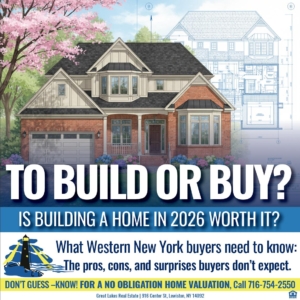
For some buyers, building a home feels like the ultimate solution. You get what you want, avoid bidding wars, and skip years of deferred maintenance. But building isn’t always the easier path. In today’s market, it comes with real advantages, real tradeoffs, and a lot of decisions that can impact your budget and timeline.
If you’re thinking about building this year, here’s what you should know before you commit.
The Pros of Building a Home
You Get Exactly What You Want
Floor plans, finishes, layout, energy efficiency—building allows customization that’s hard to find in resale homes. For buyers who have struggled to find “the one,” building can eliminate compromise.
Fewer Surprise Repairs
New construction means new roof, new mechanicals, new appliances, and fewer immediate maintenance costs. That peace of mind is a big draw, especially for buyers who don’t want to inherit someone else’s problems.
Energy Efficiency and Lower Operating Costs
New homes must meet stricter building and energy codes. Better insulation, modern HVAC systems, and tighter construction often translate to lower utility bills long term.
Potential Tax Advantages
New construction assessments are often phased in. In many municipalities, your property taxes may start lower and increase gradually as the full value is recognized. There may also be incentives tied to energy-efficient features.
The Cons Buyers Don’t Always Expect
It Takes Time
Building is not fast. Even when everything goes right, timelines often stretch due to permitting, weather, inspections, or material delays. If you need to move quickly, building may not be the best option.
Costs Can Creep
Base prices rarely tell the full story. Upgrades, site work, utility connections, landscaping, and driveway costs add up fast. Without proper guidance, budgets can drift higher than expected.
Financing Is Different
Construction loans work differently than traditional mortgages. They require more paperwork, staged draws, and stricter oversight. Not all lenders handle them well.
You’re Making Big Decisions Early
Once construction starts, changes are expensive. Buyers often underestimate how many decisions they’ll need to make upfront—and how permanent those decisions are.
New Requirements Buyers Should Be Aware Of
Stricter Energy and Building Codes
New York continues to push higher energy-efficiency standards. That’s good long term, but it can raise upfront costs for insulation, windows, electrical systems, and HVAC.
Zoning and Lot Restrictions
Not every lot can be built on easily. Setbacks, wetlands, drainage rules, and local zoning laws can limit what you’re allowed to build—or whether you can build at all.
Utility and Infrastructure Considerations
Some lots require well, septic, or utility extensions. These are costs many buyers don’t anticipate when they first fall in love with land.
Should You Build or Buy Existing?
Building often makes sense if:
- You plan to stay long-term
- You want specific features or layouts
- You’re flexible on timing
- You’re comfortable with decisions and process
Buying existing often makes more sense if:
- You need predictability
- You want to move sooner
- You prefer established neighborhoods
- You want clearer pricing upfront
There’s no universal right answer—just the right fit for your goals.
How a Great Lakes Real Estate Agent Helps When You’re Building
This is where many buyers get surprised. You don’t have to go it alone.
Builder and Development Knowledge
Not all builders are equal. Some excel at customization, others at efficiency. Some developments have strong resale value, others don’t. Great Lakes agents know which builders and neighborhoods have strong track records in Western New York.
Contract and Upgrade Guidance
Builder contracts are written to protect the builder. Having an agent review pricing, allowances, timelines, and upgrade costs helps avoid expensive surprises.
Land and Location Strategy
From school districts to future resale potential, location still matters—even with new construction. We help buyers think beyond the floor plan.
Connections That Matter
Lenders experienced in construction loans, inspectors who understand new builds, and local professionals who keep projects moving—those relationships save time, money, and stress.
Building a home can be an incredible opportunity—but only if you go in informed. The best outcomes come from realistic expectations, smart budgeting, and experienced guidance.
Thinking about building in 2026? Let’s talk before you break ground. A Great Lakes Real Estate agent can help you compare options, understand costs, and connect you with the right builders so your dream home doesn’t turn into a stressful surprise. Give us a call today at (716) 754-2550.

